

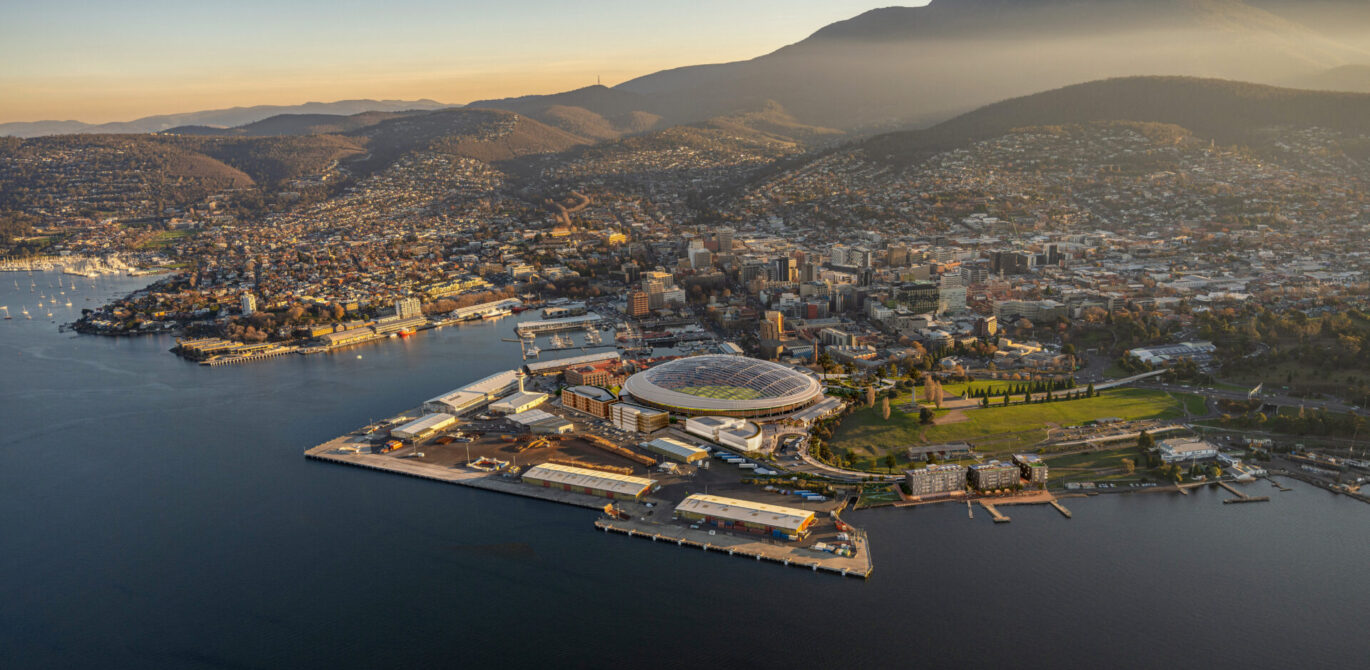
Tasmania’s Decade of Nation-Scale Infrastructure Investment
Tasmania is entering a transformative decade, driven by coordinated, nation-scale investment in energy, industry, and experience. Four landmark projects; the Robbins Island Wind Farm, Bell Bay Powerfuels e-fuels plant, Marinus Link, and the newly approved Macquarie Point Stadium are shaping a future of long-term economic growth and resilience across the state.
Robbins Island Wind Farm
The 900 MW Robbins Island Wind project in north-west Tasmania has secured Federal Government approval, unlocking one of the largest private investments in the state’s history; estimated at around $3 billion. The project is expected to create up to 400 construction jobs, deliver a major community benefits program, and provide a substantial boost to the local economy each year once operating. This isn’t just about turbines on an island; it’s about long-term demand for regional housing, worker accommodation, industrial land, and services in the north-west; a complementary growth pole to Hobart’s development.
Bell Bay Powerfuels e-fuels plant
At Bell Bay, ABEL Energy’s project aims to produce around 300,000 tonnes of green methanol a year, backed by more than $2 billion of investment and supporting 300+ direct and indirect jobs for at least 30 years***. The project will anchor the Bell Bay Hydrogen Hub and position northern Tasmania as a global exporter of low-carbon fuels for hard-to-abate sectors such as shipping. This means demand for industrial and port-side land, new logistics, engineering and manufacturing businesses, and a stable long-term employment base driving residential and commercial growth in the Tamar region.
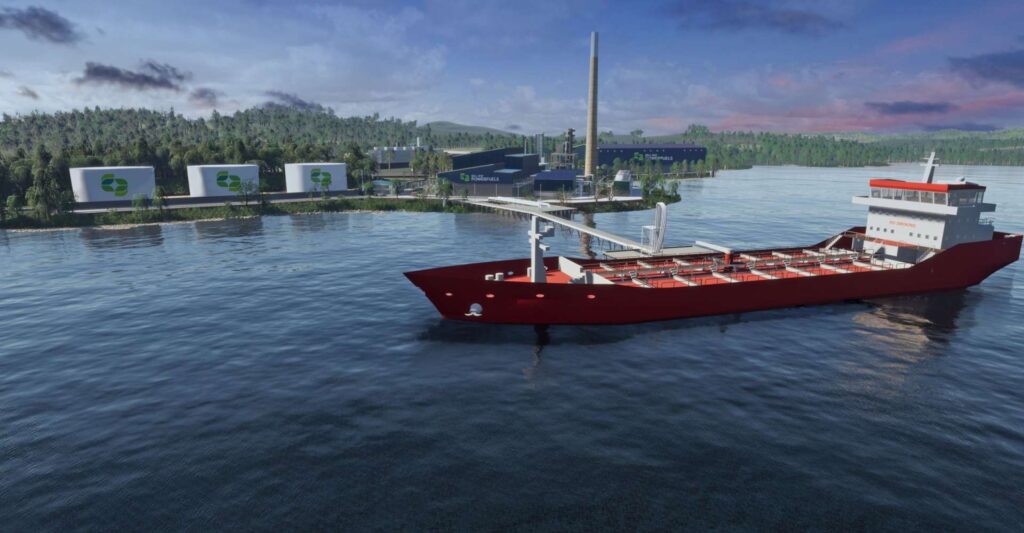
Image Credit: ABEL Energy
Marinus Link
Marinus Link, the proposed subsea and underground electricity interconnector between Tasmania and Victoria; has received federal environmental approval as a $5 billion project expected to create up to 2,000 jobs^ and deliver strong annual returns to the state through expanded renewable energy exports and lower wholesale prices. By unlocking more of Tasmania’s hydro and world-class wind resources, Marinus makes projects like Robbins Island and Bell Bay more bankable. Together, they form the backbone of a green-energy export economy that will drive industrial demand long after the construction cranes come down.
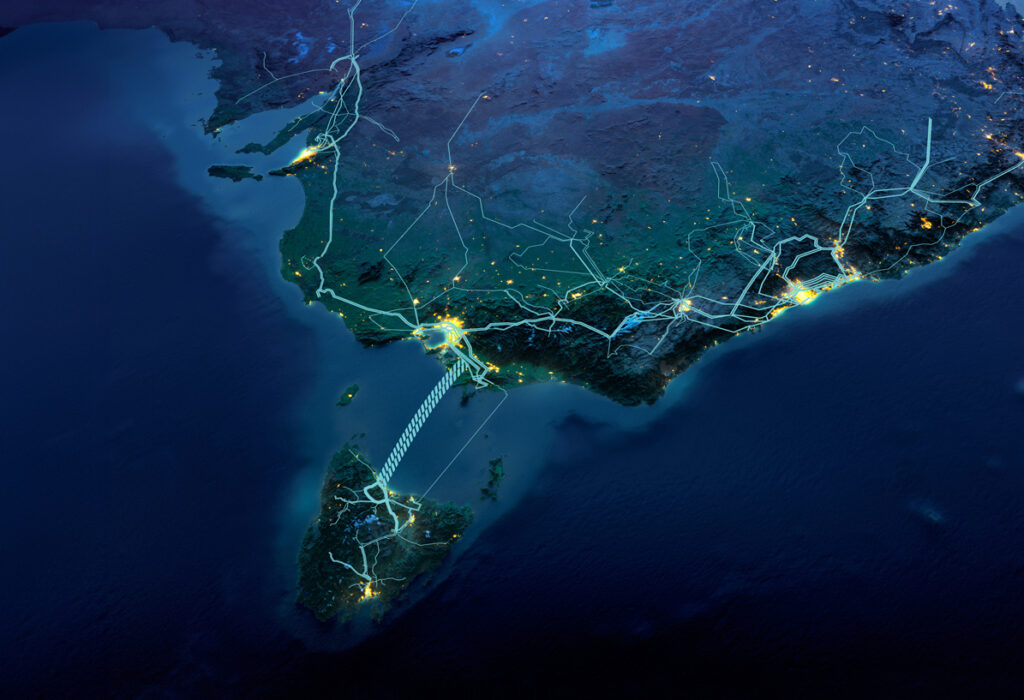
Image Credit: Marinus Link
These energy and industry projects are driving demand for housing, infrastructure, and services across Tasmania. The north-west and northern regions are set to benefit from increased investment, job creation, and community development, while Marinus Link’s statewide impact will support a resilient, diversified economy.
The Role of Macquarie Point Stadium
Within this wave of investment, the Macquarie Point stadium is a key piece of social infrastructure. It’s approval by the Tasmanian parliament marks a psychological turning point for investors, developers, and businesses. The stadium, a 23,000-seat, roofed, multi-purpose venue on Hobart’s waterfront, is set to be operational by 2029 and will anchor the new Tasmania Devils AFL franchise.
However, the stadium’s significance is best understood in context:
- It is designed to attract visitors and capital, hosting around 44 events a year and bringing in over 100,000 interstate and overseas visitors annually, with an estimated $100 million in new spending each year**.
- It serves as the anchor for a broader entertainment and urban renewal precinct at Macquarie Point, catalysing development in hotels, accommodation, food and beverage, mixed-use and residential projects, and commercial and creative spaces.
- The stadium will support hundreds of jobs during construction and diverse employment opportunities once operational, underpinning the Tasmania Devils AFL license and strengthening the state’s case for future high-performance and sports-science investments.
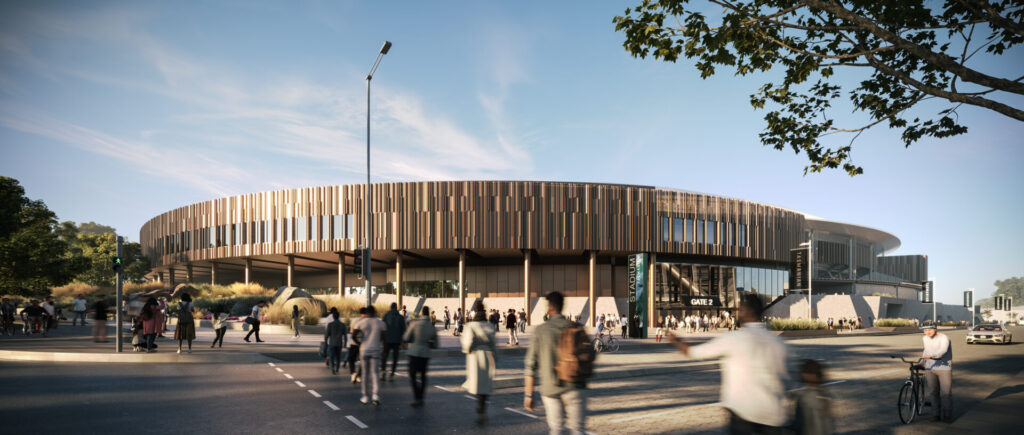
Image Credit: Macquarie Point Development Corporation
Synergies and Market Resilience
The combination of industrial, energy, and cultural investments diversifies Tasmania’s growth story. Clean-energy megaprojects bring industrial jobs and export revenue; the stadium and broader Macquarie Point precinct boost services, tourism, and lifestyle appeal. Multiple billion-dollar projects in different regions and sectors buffer the state against single-project risk, attract high-value workers, and underpin sustained demand for property; from CBD offices and waterfront apartments to regional housing and industrial estates.
A More Confident Outlook and a Call to Action
The approval of the Macquarie Point stadium closes a long chapter of uncertainty and starts a new one: how do we make the most of it? For Tasmania’s investment and development community, the message is clear:
- The state now has a locked-in pipeline of major projects spanning sport, tourism, energy, and advanced industry.
- Visitor numbers and brand exposure are set to rise, supporting new hotels, restaurants, attractions, and services including the new Spirit Ferries due to come online.
- Regional areas tied to Robbins Island, Bell Bay, and Marinus Link will see substantial, long-term demand for housing, infrastructure, and commercial space.
In other words, the starting gun has been fired. Those who move early to deliver the next generation of hotels, hospitality venues, mixed-use projects, and regional developments will be best placed to ride this new wave of growth.
To learn more about the benefits of these developments to your asset or the wider commercial property market, please contact a member of the Elders Commercial Tasmania team today.
* Tasmanian Chamber of Commerce & Industry
** Macquarie Point Development Corporation
*** ABEL Energy
^ Marinus Link